September 1, 2026
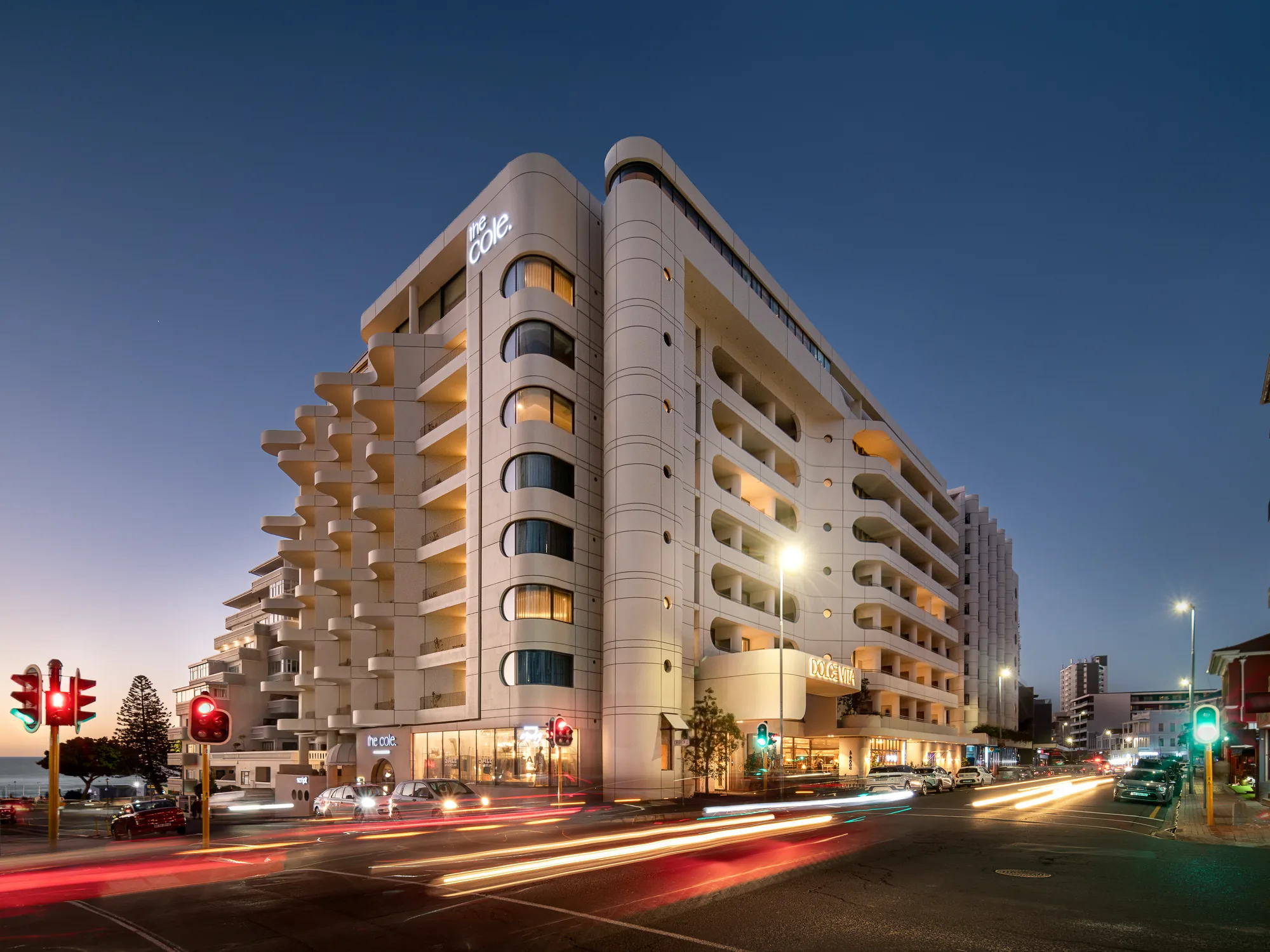
Six months ago we suggested that the defining characteristics of the Atlantic Seaboard were scarcity, global demand and irreplaceable location. The second quarter has not altered that central premise. If anything, it has reinforced it.
Is property investment in Cape Town's Atlantic Seaboard still sound when global conditions are this uncertain? On the Q2 evidence, yes. Transferred value rose 13% quarter on quarter to R1.89 billion, foreign purchasers accounted for 26.2% of value, and cash buyers accounted for 80.8% of registered properties. That is not a market running on sentiment. It is a market running on conviction, and the rest of this read explains why.
The Q1 read anticipated a market strengthened by lower rates, the FATF grey list exit, and a record year of tourism. Q2 arrived with a more complex global backdrop. Geopolitical tensions intensified, energy markets experienced renewed volatility, and inflation expectations shifted upward in a number of major economies. Global monetary policy retightened its tone. Capital, in response, became more selective.
That selectivity is precisely why the Atlantic Seaboard continues to command attention. In uncertain periods, quality does not lose relevance. It becomes more important.
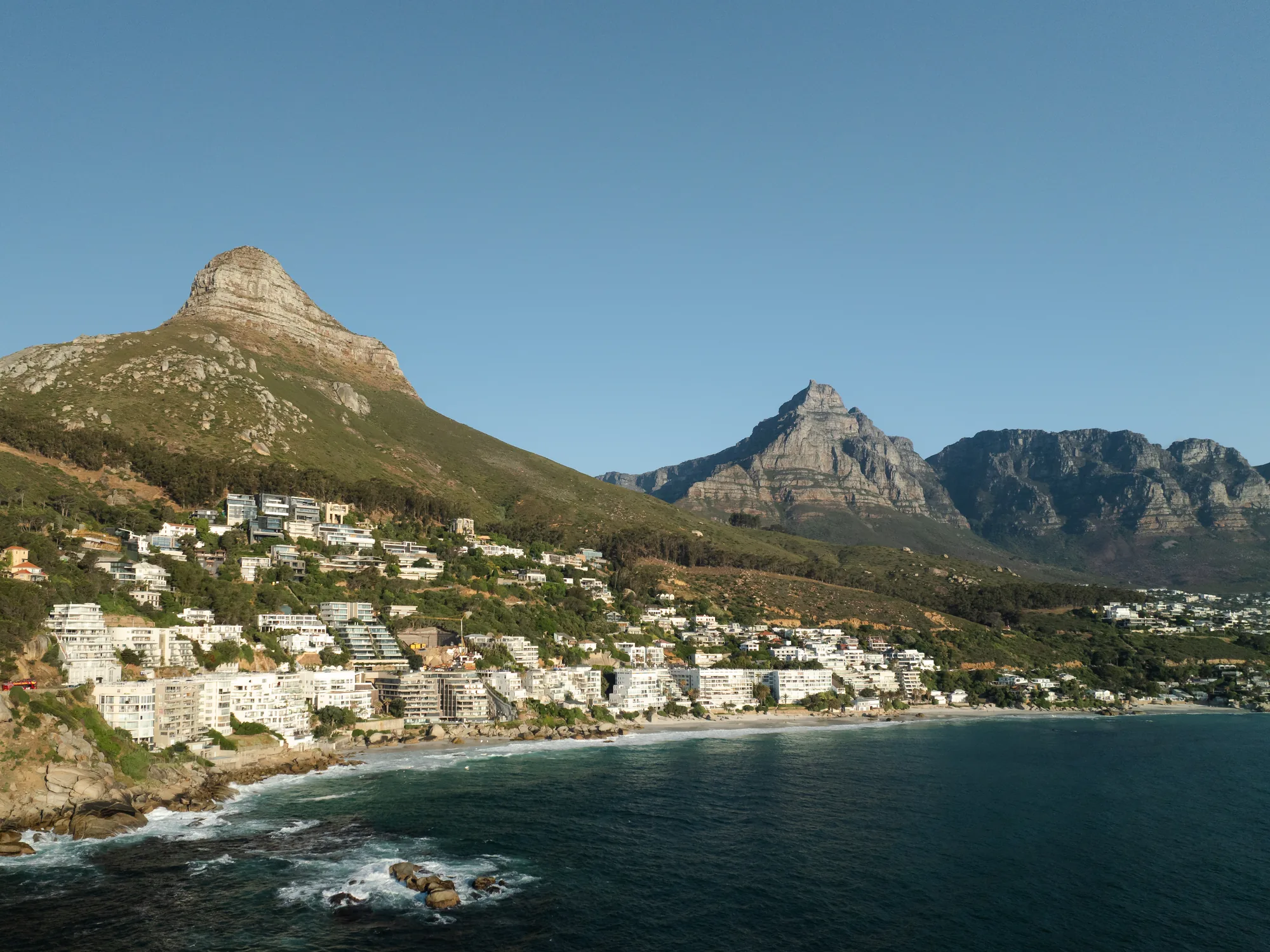
The market strengthened as global uncertainty increased.
Propstats data for the Atlantic Seaboard to the end of June 2026 records 257 transferred residential transactions with an aggregate transferred value of R3.56 billion. Q2 improved on Q1, with transferred value rising from R1.67 billion to R1.89 billion, an uplift of approximately 13%. Transaction count also improved from 124 to 133.
The premium end of the market did the heavy lifting. Foreign purchasers represented approximately 26.2% of transferred value. Cash buyers represented approximately 80.8% of registered properties. A number of properties transferred in excess of R100 million. In the most defensible nodes, individual transactions in the Waterfront, Mouille Point, Bantry Bay and Clifton achieved pricing well above R160,000 per square metre.
The macro context makes these numbers more meaningful, not less. As at the end of June, the SARB policy rate was 7.00% and the prime lending rate was 10.50%. Consumer inflation had risen to 4.5%, driven principally by fuel and other cost pressures, but remained within the official tolerance band. The rand traded around R16.45 to the US dollar, reinforcing the currency advantage that continues to support international participation in premium Cape Town property.
The financing environment is not frictionless. It is constructive for serious buyers.
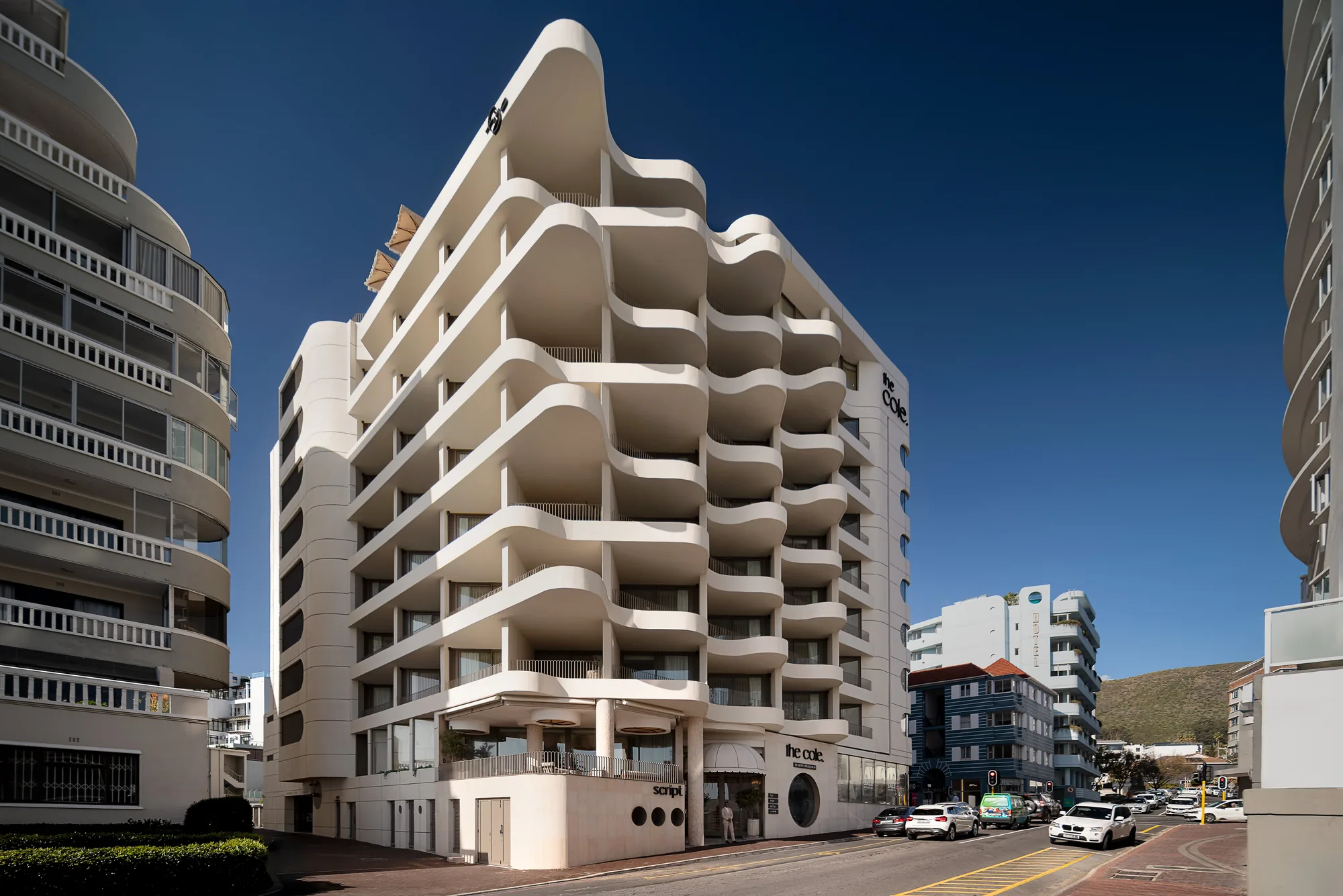
The most important observation from Q2 is qualitative rather than statistical. Buyer quality has improved.
The market is not being driven by speculation. It is being driven by conviction. Purchasers are more informed, more deliberate, and more willing to transact where the product meets their standards. They are scrutinising price, position, design, security, quality and long-term utility. Generic stock is not being rewarded. Exceptional stock is.
That the cash-buyer share sits at roughly 81% does not mean buyers are indifferent to the interest-rate cycle. It means the premium market is supported by a depth of balance-sheet strength that gives it resilience even when broader financing conditions are more restrictive.
International interest remains focused on the best-known and most defensible nodes: Clifton, Bantry Bay, Fresnaye, the Waterfront, Mouille Point, Green Point and Sea Point. European and British purchasers remain important. But the buyer base is broader now. We continue to see interest from across the African continent, returning South Africans, and globally mobile families seeking a secure, sophisticated and lifestyle-rich base.
Domestic demand is also evolving. Semigration has matured. It is no longer a sudden wave driven only by urgency or disillusionment elsewhere. It is now a more considered relocation pattern, supported by schooling, lifestyle, safety, business flexibility and the recognition that Cape Town offers a quality of life that is increasingly difficult to replicate.
"Global uncertainty has increased. Confidence in the Atlantic Seaboard has not."
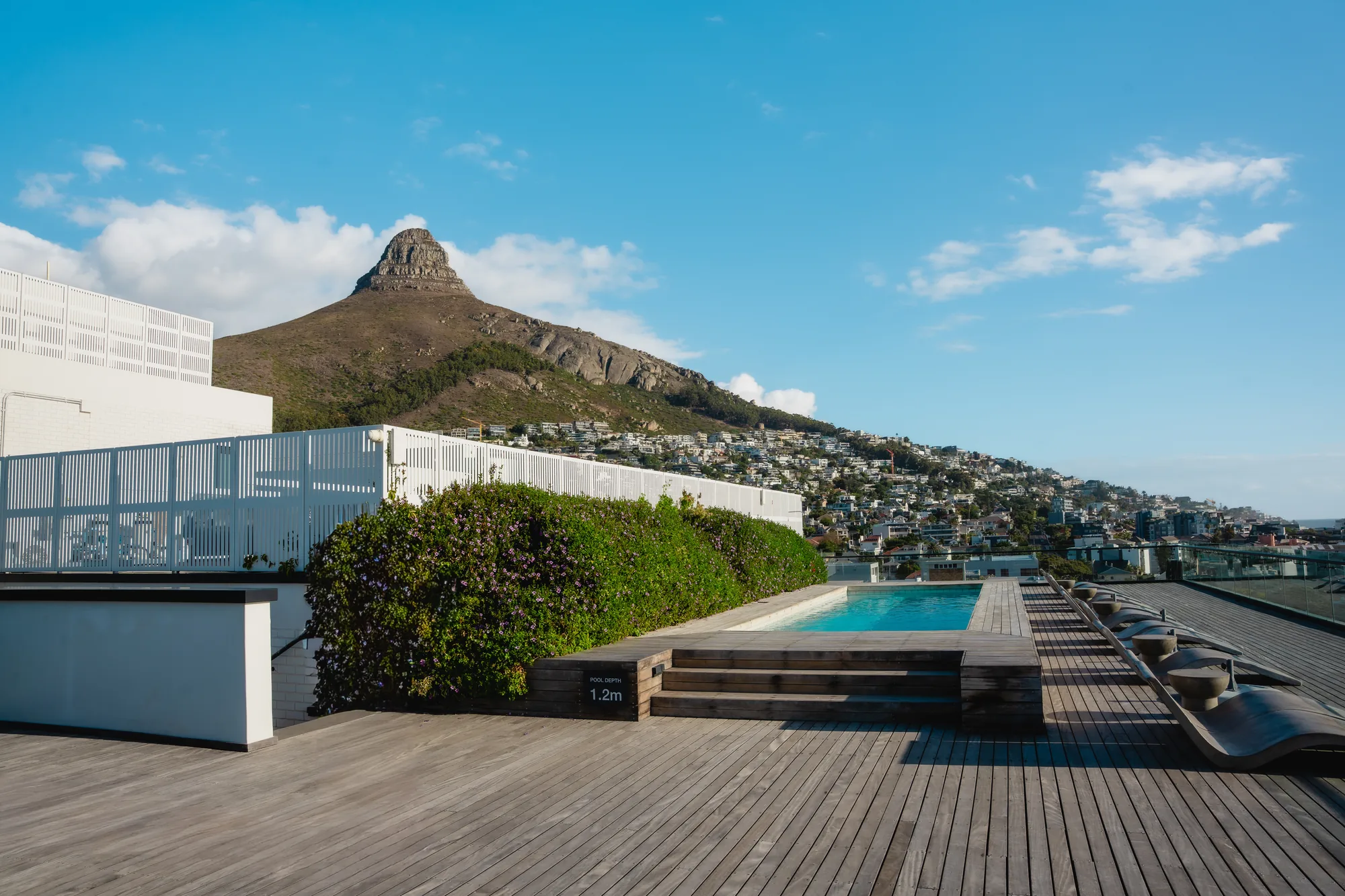
The defining structural characteristic of the Atlantic Seaboard remains unchanged. Supply is finite. The mountain forms one boundary, the ocean forms the other, and the mature urban fabric between them leaves little room for new supply at scale. This is not a market where demand can be met by simply releasing more land.
That physical constraint is the foundation of the scarcity premium. Every well-positioned asset that transfers into long-term ownership reduces the available pool, and every quality development that completes is absorbed into a market which further reduces the available pool. This is why the Atlantic Seaboard continues to behave differently from broader residential markets.
At BBG, this remains the central point. The Atlantic Seaboard is not a cyclical convenience. It is an irreplaceable location with a deepening global buyer base, strengthening tourism fundamentals, and a scarcity profile that becomes more valuable over time. Our capital allocation reflects that conviction. Dolce Vita is now occupied. Mont Reve approaches completion in the final quarter of the year. And our latest Green Point development, one of the most strategically significant sites in the corridor, will be announced in Q3.
We do not develop here because conditions are easy. We develop here because the fundamentals are exceptional.
On the Q2 2026 evidence, the market strengthened as global uncertainty increased. Transferred value rose 13% quarter on quarter to R1.89 billion. Foreign purchasers accounted for 26.2% of value. Cash buyers accounted for 80.8% of registered properties. The market is being driven by conviction, not speculation. That said, generic stock is not being rewarded. Exceptional stock is.
Camps Bay, Sea Point, the Waterfront, Fresnaye, Mouille Point, Green Point and Bantry Bay accounted for the most significant value concentration in the first half of 2026. The Waterfront continues to demonstrate extraordinary pricing power per square metre. Mouille Point and Sea Point remain highly liquid. Fresnaye, Bantry Bay, Clifton and Camps Bay define the top end, where scarcity and views drive exceptional value.
Supply is finite. The mountain forms one boundary, the ocean forms the other, and the mature urban fabric between them leaves little room for new supply at scale. Every well-positioned asset that transfers into long-term ownership reduces the available pool. That physical constraint is the foundation of the scarcity premium. In the most defensible nodes, individual transactions cleared R160,000 per square metre in the first half of 2026.
This article is the headline view. The full quarterly analysis goes deeper.
The complete Boardroom Quarterly Q2 2026 Executive Brief covers the macro environment in more depth, the Propstats performance data by node, the tourism and hospitality benchmarks supporting demand, the qualitative shift in buyer behaviour, our position on the next ninety days, and BBG's development activity across Dolce Vita, Mont Reve, and our latest Green Point development.
It is the document we would hand to a serious buyer or investor asking what this market is actually doing.